
Chemical Peel for Pigmentation Gallery
$$MultiPurposeText$$
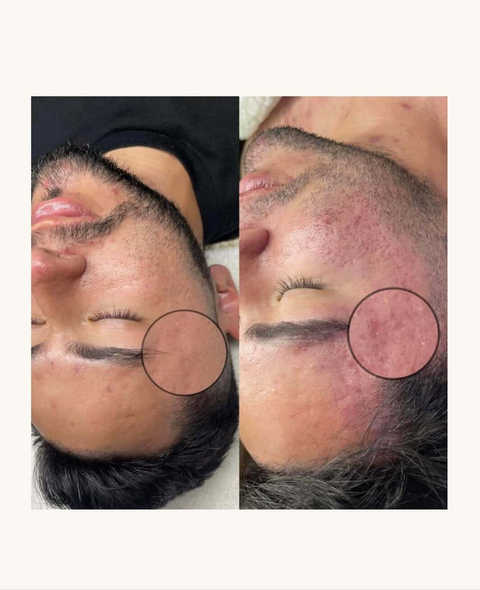
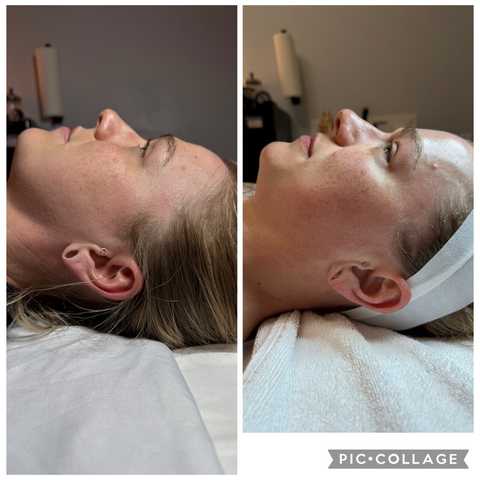
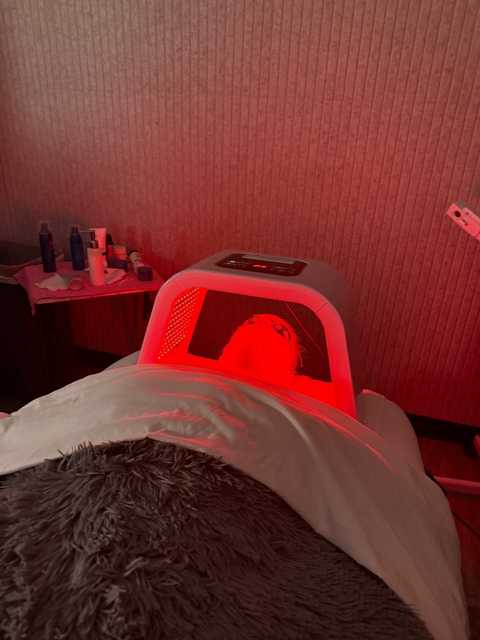
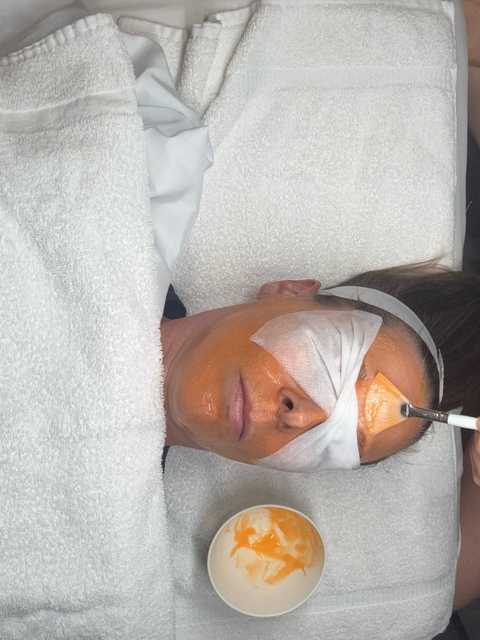
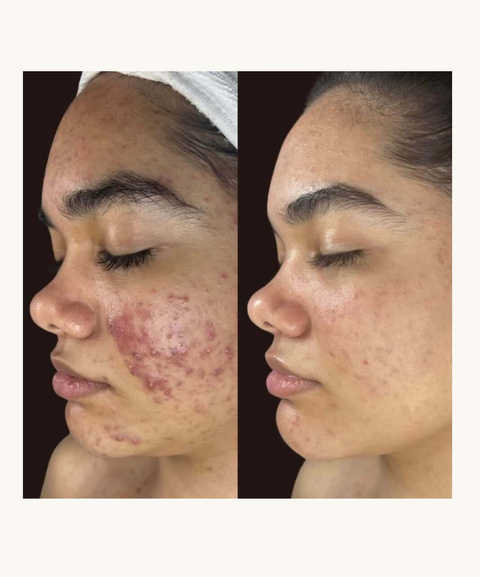
See examples of our Chemical Peel for Pigmentation work and results.

















What Our Clients Say
$$MultiPurposeText$$
Read testimonials from our satisfied customers

I had the pleasure of experiencing my first buccal massage with Andrea. She was informativ...more

The facial I get is super nice. Highly recommend to come and get you facial or massage her...more

Frequently Asked Questions
Get answers to common questions about Chemical Peel for Pigmentation.
Most clients see improvement after three to six treatments spaced four to six weeks apart. Exact sessions depend on pigment depth, skin type, and response. A customized plan and follow-up visits ensure safe progress and optimal long-term results.
Many skin types can be treated, but darker complexions require specialized, gentler peels to reduce risk of post-inflammatory pigmentation. We perform a thorough assessment, offer test patches, and tailor formulas to your skin to maximize safety and effectiveness.
Your esthetician will cleanse and evaluate your skin, then apply the peel. You may feel warmth or mild tingling; treatments last 20–40 minutes. Post-procedure instructions include sun protection and gentle care to support healing and pigment reduction.
Temporary redness, flaking, and increased sensitivity are common as skin renews. Rare risks include prolonged hyperpigmentation or scarring, especially without proper sun protection. Following pre- and post-care instructions reduces complications and promotes predictable outcomes.
Avoid strong exfoliants, retinoids, and excessive sun exposure for two weeks prior. Disclose medications and skin history during your consultation. We may recommend pre-treatment products to stabilize pigment and ensure the peel is safe and effective.
Use gentle cleansers and hydrating moisturizers, avoid picking peeling skin, and apply broad-spectrum SPF 30+ daily. Limit sun exposure and follow prescribed topical treatments. Proper aftercare speeds healing, prevents pigment rebound, and preserves your results.
Read more about Chemical Peel for Pigmentation
$$MultiPurposeText$$
Explore our latest insights and guides on Chemical Peel for Pigmentation.
