
Deep Tissue Massage (60 min) Gallery
$$MultiPurposeText$$
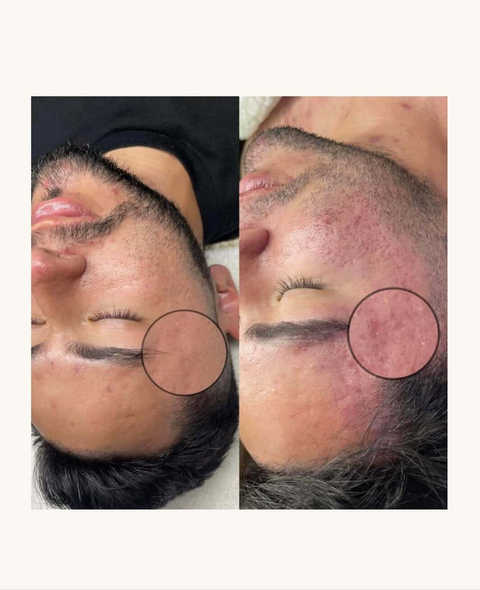
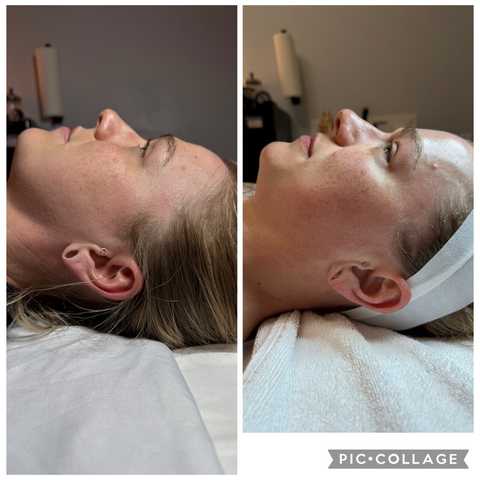
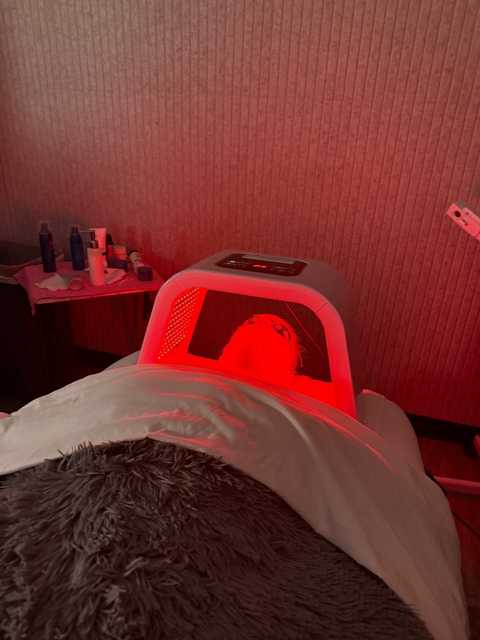
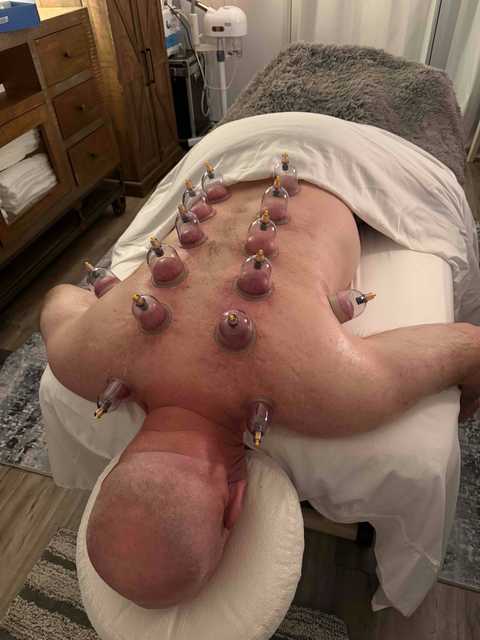
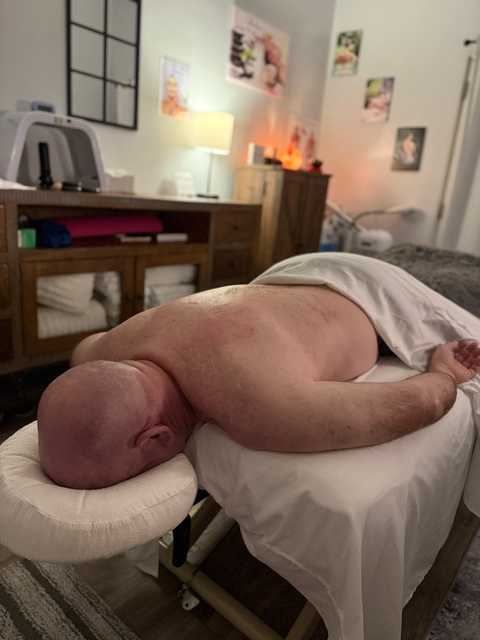
See examples of our Deep Tissue Massage (60 min) work and results.



















What Our Clients Say
$$MultiPurposeText$$
Read testimonials from our satisfied customers

Andrea was great! She explained about the massage I was getting and asked questions to bet...more

Feeling very relaxed. It was a great first time experiencing lymphatic drainage massage. T...more

By far, best massage I've ever had! Highly recommend Andrea's services.

Wonderful massage experience! I will definitely be back!

Great experience! The massage was amazing and Andrea is incredibly knowledgeable. I real...more

Great deep tissue massage, highlhighly recommended.

Frequently Asked Questions
Get answers to common questions about Deep Tissue Massage (60 min).
Yes. This focused deep tissue session helps break down lactic acid buildup and adhesions, reducing soreness and speeding recovery. Therapists tailor pressure to your comfort while prioritizing injured areas, making it effective for post-event muscle rehabilitation.
Pressure ranges from firm to very deep, adapted to your tolerance and therapeutic goals. Communicate openly about discomfort; therapists adjust techniques to avoid sharp pain while delivering effective work on tight muscles and chronic knots for athletic performance.
Mild soreness is common for 24–48 hours as muscles adapt; significant bruising is uncommon when performed by trained therapists. Hydration, rest, and gentle stretching reduce discomfort. Notify your therapist of medications or bleeding disorders beforehand.
Arrive hydrated, avoid heavy meals immediately before, and wear comfortable clothing. Communicate recent injuries, training load, and pain areas to your therapist. Plan light activity afterward and allow time for post-massage recovery to maximize benefits.
Yes. Regular sessions improve muscle balance, reduce adhesions, and restore mobility, which lowers strain and overuse risk. Combined with strength training and proper mechanics, deep tissue work helps maintain optimal movement patterns and decreases likelihood of recurring injuries.
Frequency depends on training intensity, goals, and recovery needs. Many athletes benefit from weekly to biweekly sessions during heavy training, tapering to monthly maintenance. Your therapist will recommend a plan based on assessment and competition schedule.
Read more about Deep Tissue Massage (60 min)
$$MultiPurposeText$$
Explore our latest insights and guides on Deep Tissue Massage (60 min).
