
Deep Tissue Massage (90 min) Gallery
$$MultiPurposeText$$
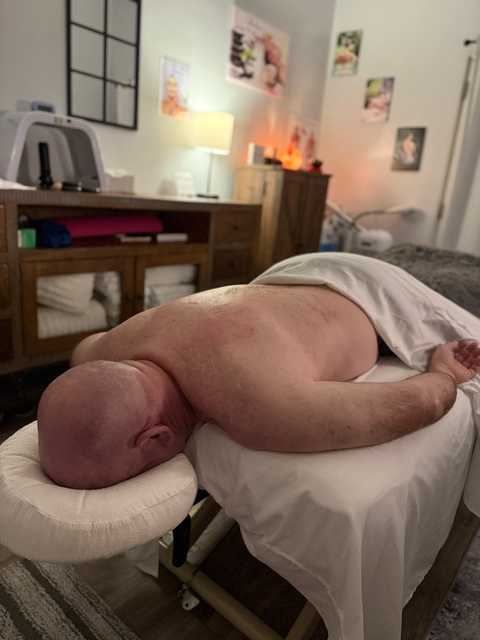
See examples of our Deep Tissue Massage (90 min) work and results.
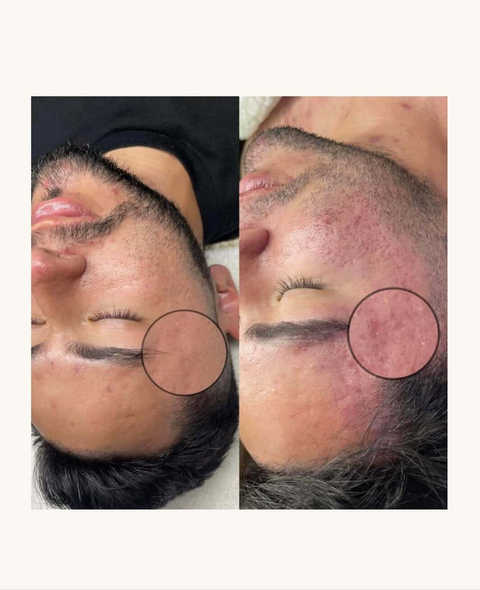


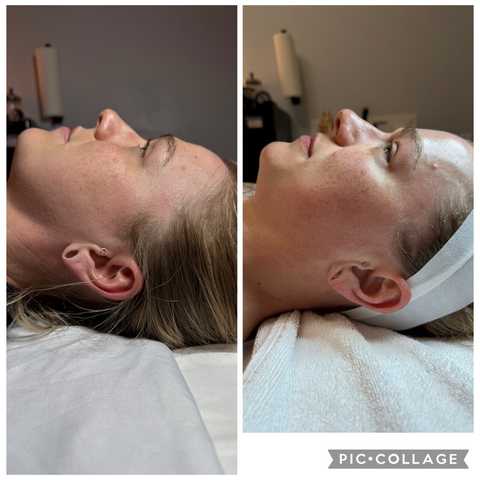

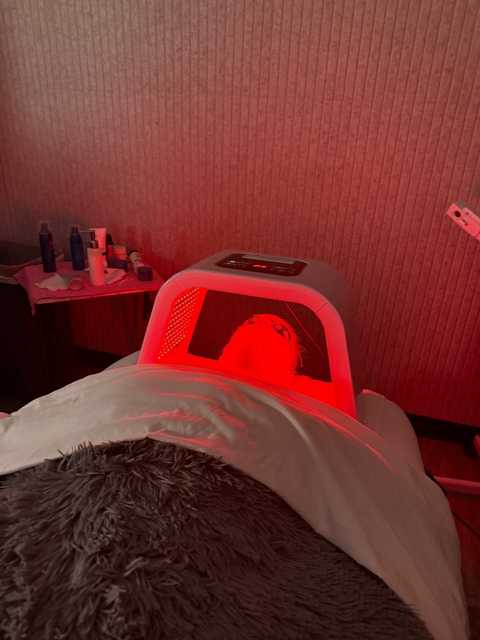













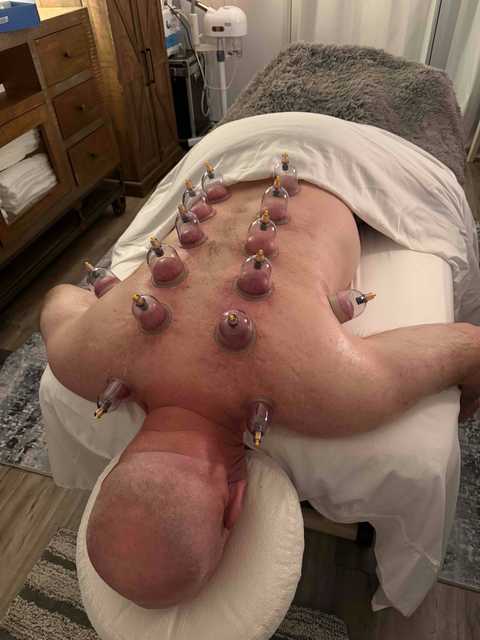



What Our Clients Say
$$MultiPurposeText$$
Read testimonials from our satisfied customers

Andrea was great! She explained about the massage I was getting and asked questions to bet...more

Feeling very relaxed. It was a great first time experiencing lymphatic drainage massage. T...more

By far, best massage I've ever had! Highly recommend Andrea's services.

Wonderful massage experience! I will definitely be back!

Great experience! The massage was amazing and Andrea is incredibly knowledgeable. I real...more

Great deep tissue massage, highlhighly recommended.

Frequently Asked Questions
Get answers to common questions about Deep Tissue Massage (90 min).
Yes, often appropriate, but clients should avoid immediate deep pressure if extremely sore or injured. Prefer a light cool-down, hydrate, and communicate pain levels. Your therapist can modify timing and intensity based on recovery needs for safe, effective treatment.
Hydrate well, avoid heavy meals, and arrive a few minutes early to discuss goals and any injuries. Wear comfortable clothing; therapists may ask about recent training. Light stretching is fine, but avoid strenuous activity immediately before your appointment.
Some soreness or tenderness is normal for 24–72 hours as muscles adapt. Drink water, apply heat or ice as recommended, and rest. If pain is severe or prolonged beyond several days, contact your therapist or healthcare provider for evaluation.
By releasing chronic tension and breaking down adhesions, it restores muscle length and joint mobility. Improved circulation and reduced inflammation accelerate recovery, decrease injury risk, and help athletes train harder and longer with better functional movement patterns.
Yes—acute injuries, open wounds, blood clotting disorders, fever, certain cancers, or recent surgeries may preclude deep techniques. Disclose medical history and medications during intake. Therapists will adapt pressure or recommend alternative therapies if deep work is inappropriate.
Frequency depends on training load and goals: weekly during heavy training, biweekly for maintenance, or monthly for general care. Your therapist will create a plan based on pain levels, performance goals, and recovery response to balance treatment and training.
Read more about Deep Tissue Massage (90 min)
$$MultiPurposeText$$
Explore our latest insights and guides on Deep Tissue Massage (90 min).
